For many small business owners, paid advertising feels like a gamble. You put money into ads, hope for results, and cross your fingers that it leads to sales. Unlike large corporations with massive budgets, small businesses often operate with limited resources—making every rupee count.
So the big question is: Is paid advertising really worth it for small businesses?
The short answer is yes—but only when done strategically. Paid advertising can be one of the fastest and most effective ways to grow your business, but it’s not a magic solution. It requires planning, testing, and optimization to deliver real results.
What Is Paid Advertising?
Paid advertising refers to any form of marketing where you pay to promote your business, product, or service. This includes:
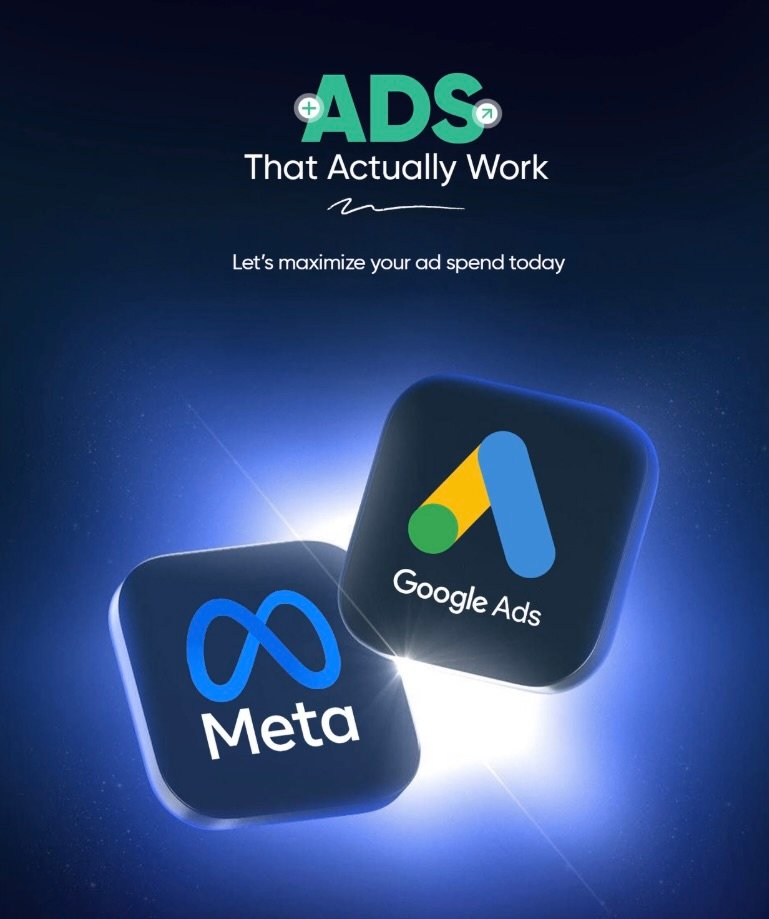
Search ads (like Google Ads)
Social media ads (Facebook, Instagram, LinkedIn)
Display ads and banner ads
Video ads (YouTube, etc.)
Unlike organic marketing, which takes time to build momentum, paid ads can generate immediate visibility and traffic.
The Biggest Advantage: Instant Results
One of the main reasons small businesses turn to paid advertising is speed.
With organic methods like SEO or content marketing, it can take months to see results. Paid advertising, on the other hand, can start driving traffic and leads almost immediately after launching a campaign.
For a small business trying to gain traction, this can be a game-changer. Whether you’re launching a new product, promoting a limited-time offer, or simply trying to get noticed, paid ads provide a fast-track to visibility.
Precise Targeting Makes It Efficient
Unlike traditional advertising (like newspapers or billboards), digital paid ads allow you to target specific audiences with incredible precision.
You can define your audience based on:
Location
Age and gender
Interests and behavior
Search intent
Past interactions with your business
This means your ads are shown only to people who are more likely to be interested in your offer. For small businesses, this reduces wasted spending and increases the chances of conversion.
In simple terms, you’re not shouting into the crowd—you’re speaking directly to the right people.
Budget Control Is in Your Hands
Another major benefit is flexibility. Paid advertising doesn’t require a huge budget to get started.
You can:
Set daily or monthly limits
Pause campaigns anytime
Adjust spending based on performance
This level of control allows small businesses to experiment without risking large sums of money. You can start small, test different strategies, and scale up once you find what works.
Measurable and Data-Driven
One of the biggest advantages of paid advertising is that everything is measurable.
You can track:
How many people saw your ad
How many clicked on it
How much each click cost
How many conversions you generated
This data helps you understand exactly what you’re getting for your money. Unlike traditional marketing, where results can be vague, paid advertising provides clear insights into performance.
This makes it easier to calculate return on investment (ROI) and make informed decisions.
The Downsides You Should Know
While paid advertising has clear benefits, it’s not without challenges.
1. Costs Can Add Up Quickly
If campaigns are not managed properly, you can burn through your budget without seeing meaningful results. Poor targeting, weak ad copy, or ineffective landing pages can lead to wasted spend.
2. It Requires Skill and Strategy
Running successful ad campaigns is not as simple as clicking a “boost” button. It involves understanding audience behavior, writing compelling ads, testing variations, and analyzing data.
Without the right approach, even a good budget won’t guarantee success.
3. Results Stop When You Stop Spending
Unlike SEO or content marketing, paid ads don’t have a lasting effect once you stop investing. Traffic and leads typically drop as soon as campaigns are paused.
This is why paid advertising should be part of a broader marketing strategy, not the only approach.
When Paid Advertising Works Best
Paid advertising is particularly effective for small businesses in certain situations:
Launching a new product or service
Promoting time-sensitive offers
Generating leads quickly
Testing new markets or audiences
Driving traffic to a new website
In these cases, the speed and precision of paid ads provide a significant advantage.
When It May Not Be Worth It
Paid advertising may not deliver strong results if:
You don’t have a clear target audience
Your product or offer is not well-defined
Your website or landing page is poorly optimized
You’re not tracking performance properly
In these situations, investing in foundational elements—like branding, messaging, and website experience—may be more important before running ads.
Tips for Small Businesses to Succeed With Paid Ads
If you’re considering paid advertising, here are some practical tips to maximize your chances of success:
1. Start With a Clear Objective
Know exactly what you want—sales, leads, traffic, or awareness.
2. Define Your Audience Precisely
The more specific your targeting, the better your results.
3. Focus on One Platform First
Instead of spreading your budget thin, master one channel before expanding.
4. Test and Optimize Continuously
Run A/B tests on ad copy, visuals, and targeting to find what works best.
5. Improve Your Landing Page
Even the best ad won’t convert if your landing page is weak. Ensure it is clear, fast, and persuasive.
6. Track Everything
Use analytics tools to monitor performance and adjust your strategy accordingly.
Paid Advertising vs Organic Marketing
It’s important to understand that paid advertising and organic marketing are not competitors—they complement each other.
Paid ads provide immediate results, while organic strategies build long-term sustainability. The most effective approach is to use both:
Paid ads for quick wins and testing
Organic marketing for long-term growth and brand building
Together, they create a balanced and resilient marketing strategy.
Conclusion
So, is paid advertising worth it for small businesses?
Yes—but only when approached with the right mindset.
It’s not about spending more money; it’s about spending it wisely. Paid advertising offers speed, precision, and measurable results, making it a powerful tool for growth. However, it also requires careful planning, continuous optimization, and a clear understanding of your audience.
For small businesses willing to learn, test, and adapt, paid advertising is not just worth it—it can be a turning point.
Because in today’s competitive digital landscape, visibility is everything. And sometimes, the fastest way to get noticed is to pay for the spotlight—strategically.